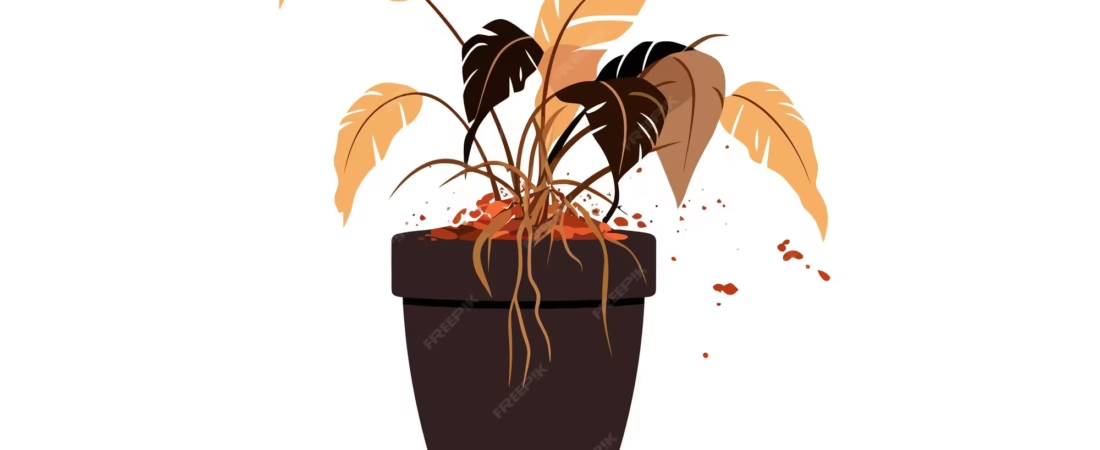
Houseplants have the power to transform living spaces, purify the air, and offer a rewarding connection to nature. Yet, even the most enthusiastic new plant owners can stumble in caring for their leafy companions. It’s easy to think that tending to houseplants is intuitive, but each plant has its own preferences that can trip up beginners. Understanding the most common mistakes—along with clear strategies to avoid them—can set you and your plants on the path to long-term success. Whether you’re nurturing a few succulents or starting an indoor jungle, awareness and adjustment of your care routine will help your indoor garden truly thrive.
1. Overwatering
Overwatering is the number one killer of houseplants, especially for those new to indoor gardening. Many people associate regular watering with care and love, but more water does not always mean a healthier plant. In reality, most houseplants, particularly succulents, cacti, and tropical plants, are adapted to periods of dry soil between rainfalls in their native environments. Their roots need oxygen, and saturated soil suffocates them, preventing oxygen exchange and creating the perfect conditions for root rot—an irreparable fungal condition that leads to wilting, yellowing, and eventual collapse of the plant.
Signs of overwatering can be subtle: consistently soggy soil, yellow or translucent leaves, and a musty or sour smell from the pot. If you lift the plant from its pot and see black, mushy roots, the plant is suffering from root rot. Rescue can be attempted by trimming diseased roots and repotting in fresh, dry soil, but prevention is far better.
To avoid overwatering, always check the soil’s moisture before grabbing the watering can. Insert your finger an inch or two into the soil; if it feels dry, it’s time to water. Frequency will change through the seasons—plants need much less water in low light, cool temperatures, or dormancy (fall/winter). Use pots with drainage holes so excess water can escape, and empty saucers after watering. Remember, most houseplants prefer drying out a little to sitting in soggy soil, so when in doubt, wait before watering again.
2. Underwatering
While overwatering tops the list for new plant woes, underwatering is also a frequent misstep. For busy or forgetful plant owners, watering may fall to the bottom of a to-do list, especially for plants tucked away in less-visited rooms. When plants lack sufficient water, their leaves quickly show distress: you may see wilting, drooping, brittle leaf edges, or brown tips. The soil itself may shrink away from the pot’s sides, making it difficult for water to absorb evenly.
It’s important to recognize that different plant species have varying water needs. Ferns, calatheas, and tropical plants often require consistently moist (but not soggy) soil, while succulents, pothos, and snake plants can tolerate—and may even prefer—occasional drying out. However, even drought-tolerant plants are not immune to the effects of chronic neglect.
To avoid underwatering, create a routine for checking soil moisture. Feel the soil at least once a week; terracotta pots (which dry out faster) and warm environments may require more frequent checks. When it’s time to water, be thorough. Add water until it runs from the drainage holes, ensuring the roots are evenly moistened—don’t just sprinkle the top. Beware of “hydrophobic” (water-repellent) dry soil; in this case, soak the entire root ball in a basin until thoroughly wet.
Stay observant: plants will recover quickly after a good soak if caught early. Using reminders or plant care apps can also help keep you on schedule and maintain your plant’s hydration needs.
3. Improper Light Levels
Many new plant owners misjudge the amount and type of light plants need to thrive. Some mistakenly believe all houseplants require bright sunlight, placing shade-loving varieties in the path of harsh rays that burn and bleach their leaves. Others tuck sun-worshippers into dim corners, leading to weak, leggy growth, lack of flowering, or leaf drop. Each plant species has its own light requirements based on its evolutionary origins.
Signs of too much light include scorched, crispy, or faded leaves—often with brown tips or patches. If a plant is not getting enough light, it will stretch toward the nearest source, producing pale, small, and widely spaced leaves. Variegated plants may lose their unique markings, reverting to solid green.
To get lighting right, research your specific plant’s needs. “Bright, indirect light” typically means a spot near a window with filtered sunlight or dappled shade. “Low light” plants, like snake plants or pothos, can survive a few feet from a window or in shaded offices, but still benefit from some natural light. South- and west-facing windows receive the most intense light, while north-facing exposures are the lowest.
Rotate plants every few weeks so all sides receive light evenly, preventing lopsided growth. If your space lacks natural light, consider investing in LED grow lights designed for plants. Adjust placement as seasons change, because light intensity fluctuates throughout the year. With close observation, you’ll develop a feel for what your plant needs to thrive.
4. Ignoring Humidity Needs
Humidity often goes overlooked by new plant owners, but it can make a world of difference—especially for tropical species. Many houseplants are native to rainforests, where daily humidity can be 60% or higher. In contrast, typical heated indoor environments in winter can drop below 30%, leading to brown leaf tips, curling, or slow growth. Not all plants are sensitive—succulents and cacti thrive in dry air, but calatheas, ferns, and orchids crave humidity.
When humidity is too low, plants may display signs of discomfort: crispy edges, leaf drop, or stubborn refusal to uncurl new growth. Conversely, extremely high humidity (over 80%) without airflow may promote fungal diseases, but that’s rare in most homes.
To boost humidity, try grouping plants closely together to create a microclimate, using a room humidifier, or placing pots on trays filled with water and pebbles (the water should not touch the pot’s base). Misting leaves can help for some plants but is largely temporary; it also risks fungal issues if done excessively or at night. Regular showers (for example, under a gentle faucet or rain) can also clean foliage while providing brief humidity spikes.
If you’re invested in humidity-loving plants, a digital hygrometer can help monitor indoor levels. Aim for 40–60% humidity for most tropicals. By matching their native habitat, you’ll see healthier, more vibrant growth.
5. Using the Wrong Soil or Pot
Soil and pot choice are crucial but frequently misunderstood factors in plant health. Many beginners simply use garden soil or purchase any available potting mix, but not all soils retain water and nutrients in the same way. Likewise, decorative pots often lack drainage holes, inadvertently suffocating the plant’s roots and fostering disease.
Each plant species requires a specific soil structure. Cacti and succulents prefer gritty, fast-draining mixes that mimic arid environments, while aroids (like monstera and philodendron) thrive in chunky, airy mixes that drain well but retain some moisture. Typical “all-purpose” mixes work for many houseplants but may need amendments—add perlite, sand, or orchid bark for drainage.
Drainage holes are non-negotiable for almost all houseplants. Without them, excess water accumulates at the bottom, saturating roots, and eventually causing rot. If you want to use a decorative container without drainage, use it strictly as a cover (“cachepot”), keeping your plant in a plastic nursery pot inside.
Choose a pot that matches your plant’s size: too large, and the soil retains moisture for too long; too small, and roots become cramped. Repot every 1–2 years to refresh soil and give roots room to grow.
A little attention to soil and container specifics can prevent countless problems down the line and give your plant the best start.
6. Neglecting Pest and Disease Control
Even the healthiest houseplants can fall victim to pests and diseases, especially if overlooked at early stages. Common culprits include spider mites, aphids, mealybugs, and scale insects, which suck sap and weaken plants. Fungal diseases, such as powdery mildew or root rot, also arise under poor conditions—particularly excess moisture and stagnant air.
Early warning signs of pests include sticky residue, cottony masses in leaf joints, small webs, or yellow stippling on leaves. Neglecting these issues allows pests to multiply rapidly, leading to leaf drop, stunted growth, or even plant death. Fungal or bacterial diseases may present as mold, soft spots, or rotting stems.
Prevention is key: always inspect new plants thoroughly before bringing them indoors. Quarantine recent arrivals for a week or two. Clean leaves regularly to remove dust and check for issues. Encourage air movement—run a fan gently or open windows periodically.
If pests appear, act quickly. Remove affected leaves and treat infestations with insecticidal soap, neem oil, or rubbing alcohol on a cotton swab. For persistent problems, commercial systemic insecticides can be considered, but try gentler approaches first.
Routine care, early intervention, and regular inspection are your best defenses. A healthy plant in proper conditions is less likely to suffer from severe infestations or diseases.
7. Over-Fertilizing or Under-Fertilizing
Fertilizing mistakes can hinder a plant’s growth as much as any other care error. New plant owners may assume more fertilizer equals faster growth, but over-fertilizing causes a buildup of salts that burn roots, yellow leaves, and can even kill plants. Under-fertilization, meanwhile, leads to slow, weak growth and pale leaves due to nutrient shortages.
Every species has unique nutritional needs. Many houseplants—including pothos, philodendron, and snake plant—are light feeders and need only occasional, diluted fertilizer in the growing season (spring and summer). Succulents require even less, while flowering tropicals might need more regular feeding.
Avoid “fertilizer shock” by never applying to dry soil—always water first. Use a well-balanced, water-soluble fertilizer at half-strength unless the label states otherwise. During fall and winter, when most indoor plants slow their growth due to reduced light, feeding is rarely needed.
If signs of over-fertilization appear (burned leaf edges, white crust on soil, dropping leaves), flush the soil with water thoroughly to remove excess salts and hold off on feeding for a few months.
Consistency and moderation are the keys to a healthy feeding regime.
8. Lack of Patience
Perhaps the most underrated mistake new plant owners make is expecting rapid, visible improvements or dramatic growth. Plants are living organisms that grow according to natural cycles; changes often take weeks or months. Overanxious owners sometimes overwater, over-fertilize, or try to “fix” problems with drastic action when patience and observation are truly what is needed.
It’s easy to forget that acclimation periods—when plants are moved into a new home or repotted—bring natural stress and temporary pause in visible growth. Roots may be expanding beneath the soil, and leaves may look unchanged above. Sometimes leaf drop or minor browning is a plant’s way of adjusting.
To avoid this, learn about your plant’s growth rate and seasonal cycles. Track progress with photos to see subtle changes over time. Avoid repotting or moving plants frequently unless absolutely necessary. Look for incremental improvements—new shoots or gradual leaf recovery are healthy signs.
Understand that setbacks happen, and most plants are surprisingly resilient. With careful attention, gentle consistency, and a little patience, you’ll see your plants flourish, bringing vibrant life into your home year after year.
Nurturing healthy, beautiful houseplants is a journey filled with learning and observation. Mistakes are part of the process and can offer valuable lessons for attentive growers. By recognizing frequent pitfalls—such as overwatering, neglecting light and humidity needs, or acting too quickly when things don’t seem perfect—you empower yourself to create an environment where your plants not only survive, but flourish. Patience, research, and a willingness to adapt will reward you with lush, vibrant greenery and the sense of accomplishment that comes with a thriving indoor garden. Every leaf, new shoot, and flower reminds us that with the right guidance and care, anyone can develop a truly green thumb.